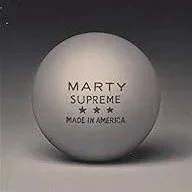
Marty Mauser is a stellar table tennis player in the post-WWII 1940s. He dreams of winning the table tennis championships and will stop at nothing to achieve this dream. Even if it means leaving a wake of destruction and chaos amongst anyone he’s ever cared about.
This new film is a solo effort from Josh Safdie, one-half of the Safdie brothers, Josh and Benny. Both made solo films this year, Josh with Marty Supreme and Benny with The Smashing Machine.
Both, based on true stories about men who aspire for greatness and attempt to do it alone, seem to be telling as to their creative split.
Marty Supreme is more similar to their collaborative efforts, like Uncut Gems and Good Time. This is another Cassavetes, Altman, Scorsese 70s-style film.
It has a true-to-life feel with real people, overlapping dialogue filled with chaotic energy, and an out-of-time soundtrack.
The film has a score by Daniel Lopatin, who scored the Safdies’ two previous films. It’s a Tangerine Dream-esque synth score like you’d find in a Michael Mann 80s film. Mixed with songs from the 80s. The film is bookended with Tears for Fears songs, opening with “Change”.
[SPOILER ALERT]
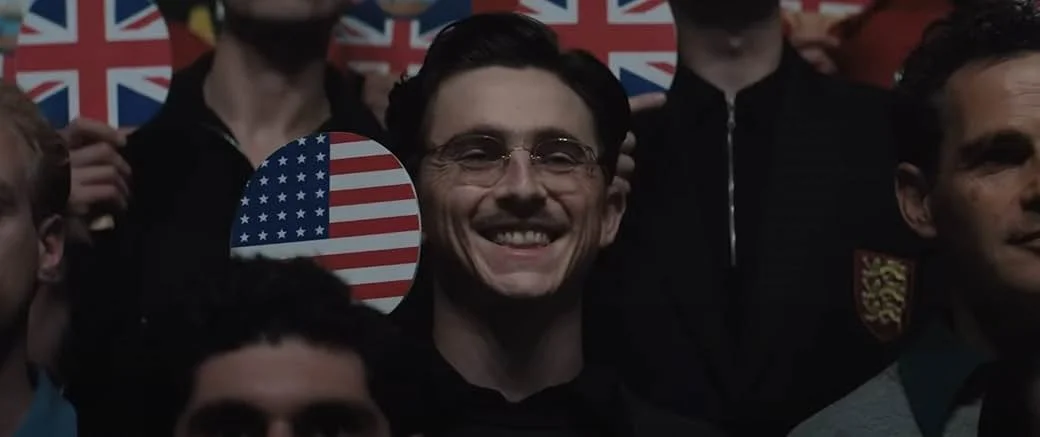
Ending with “Everybody Wants to Rule the World” whose opening line is: “Welcome to your life, there’s no turning back”. Serving as the closing moment of Marty Supreme, as Marty looks into his newborn’s eyes and begins to sob.
Is it because the culmination of everything the past 150 minutes has come bubbling to the surface, or is Marty afraid that his dream is now over?
Seeing the immense responsibility staring back at him. But what makes this baby make Marty feel more empathy than he did for anyone else he left in his wake?
Sure, maybe he cared about some of the people, but he was still out for himself and his own end goal. I think it’s what the film is driving at, advertently or inadvertently, the narcissism in being a parent.
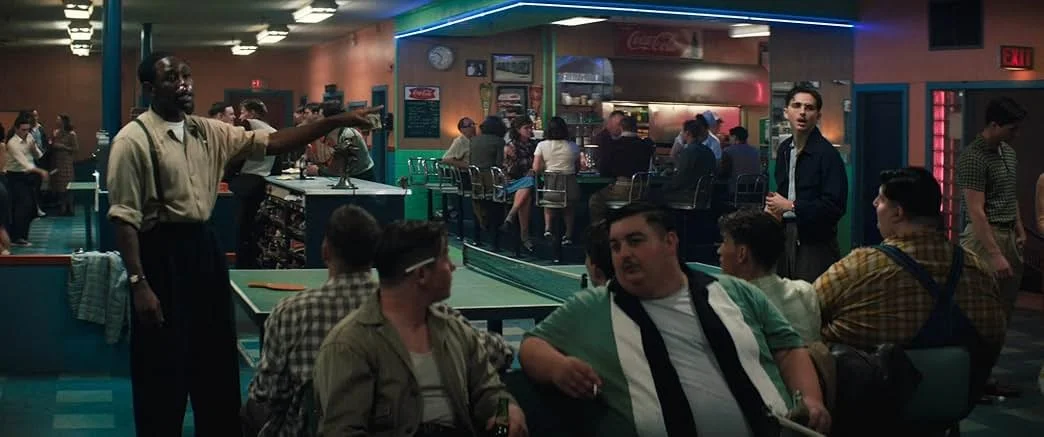
Throughout the film, Marty talks about his narcissistic mother and how she interferes with his goals. When Marty breaks down at the end of the film, it’s because he sees himself in his child. His chaotic and selfish nature will affect someone of his own blood and genes.
Many parents see their children as extensions of themselves rather than being their own person. So, Marty now finally has empathy for how he will go about his dream, but only because, in his mind, the consequences will directly affect him through his child.
Maybe this is a dark reading of the film, but nothing that happens in the prior 150 minutes suggests Marty has learned anything.
The 80s soundtrack in a film that takes place in the 40s suggests that Marty is just ahead of his time, lending to another notion of the downbeat ending. It’s not hopeful; he missed it, the orange balls being another example; he was just ahead of the curve.
Like another Marty in Back to the Future, “I guess you’re not ready for that one, but your kids are gonna love it.”
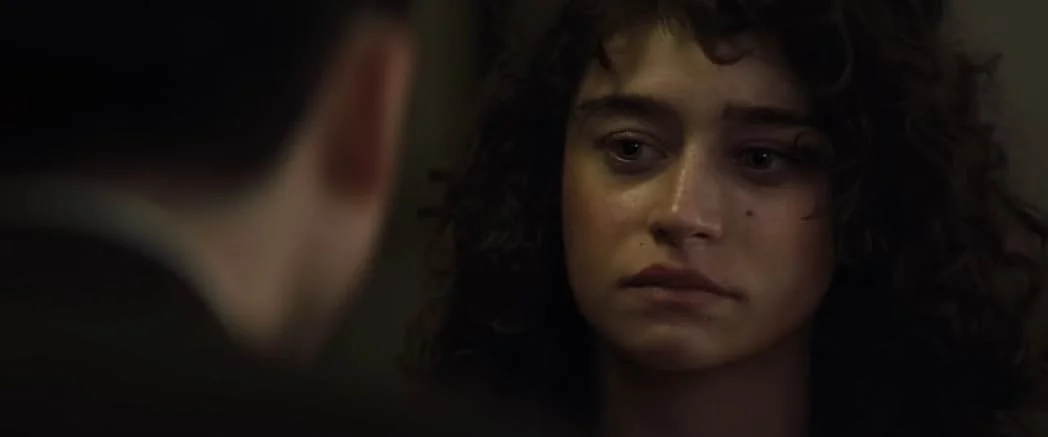
Odessa A’zion is incredible in this film as well!
I’d be remiss if I didn’t mention the main attraction here: Timothee Chalamet. Someone who is also aspiring to their own greatness, hopefully with more tact, who deeply resonates with this story.
It shows in every frame; he embodies Marty because he understands Marty’s motivation. If he ends up achieving a goal of winning a Best Actor Oscar (which is most definitely on the table), it will be for the end.
Still, the end isn’t a payoff unless you’re with him for this insane ride in which he looks calm on the surface, but bubbling underneath is every emotion imaginable just waiting to burst out. The end is a release, but the kind of release depends on the movie-goer.
4.5/5 Stars
